

Key Takeaways
- RPA and AI Agents serve different purposes in automation, with RPA focusing on repetitive tasks and AI Agents on adaptive tasks.
- RPA is ideal for structured, rule-based tasks, while AI Agents excel in dynamic, decision-making environments.
- Combining RPA and AI Agents can lead to more efficient and comprehensive automation solutions.
- Businesses should assess their specific needs to choose between RPA and AI Agents or a combination of both.
- The future of automation will likely see more integration of RPA and AI Agents, enhancing business operations globally.
Understanding the Basics of RPA and AI Agents

Defining Robotic Process Automation
Robotic Process Automation, or RPA, is all about using software "robots" to handle repetitive tasks. Think of it like a virtual assistant that never gets tired. These robots follow strict rules to perform tasks like data entry or ticket categorization. They don't improvise or learn; they just do what they're told, and they do it well.
Exploring Autonomous AI Agents
On the flip side, Autonomous AI Agents are a different breed. They're smart, adaptable, and can even make decisions on their own. Imagine an AI agent in a customer service role—it can chat with customers, understand their issues, and either solve the problem or pass it on to a human if needed. These agents gather information from their environment and use it to achieve goals, making them versatile tools in business.
Key Differences Between RPA and AI Agents
While RPA is great for handling structured, rule-based tasks, AI agents excel in more dynamic settings. RPA is like a well-oiled machine doing the same task repeatedly, while AI agents are like intuitive problem-solvers. Here's a quick comparison:
| FEATURE | RPA | AI AGENT |
| TASK TYPE | Repetitive, rule-based | Adaptive, decision-making |
| LEARNING CAPABILITY | No | Yes |
| FLEXIBILITY | Low | High |
| USE CASES (EXAMPLES) | Data entry, ticket routing | Customer service, analytics |
Understanding these differences helps businesses choose the right tool for their needs. RPA is perfect for tasks that are predictable and high-volume, while AI agents shine in roles that require flexibility and intelligence.
For those interested in creating personalized AI agents, exploring the core components of AI agents can provide valuable insights into their potential applications and benefits.
The Role of RPA in Modern Business Automation |
Streamlining Repetitive Tasks with RPA
Robotic Process Automation (RPA) is like your office's unsung hero, tirelessly taking on the mundane tasks that no one wants to do. Think of it as a digital assistant that handles tedious, rule-based chores like data entry, invoice processing, or customer onboarding. By automating these repetitive tasks, businesses can free up their human workforce to focus on more strategic, creative endeavors. This RPA revolution is transforming how businesses manage operations, making processes faster and more efficient.
Enhancing Efficiency and Accuracy
RPA doesn't just work fast; it works accurately, too. Unlike humans, who might get tired or distracted, RPA bots perform their tasks with precision every single time. This means fewer errors in data processing and improved compliance with regulatory standards. For instance, in a financial institution, RPA can automate parts of the fraud detection process, reducing the workload on human agents and improving response times. The result? Happier customers and a more productive workforce.
Limitations of RPA in Dynamic Environments
However, it's not all sunshine and rainbows. RPA has its limitations. It's great for tasks that follow a set pattern but struggles in environments that require flexibility or decision-making. If a process changes or requires interpretation of unstructured data, RPA systems can falter, needing reprogramming or human intervention. This is where RPA's static nature becomes apparent, as it relies heavily on structured inputs and predefined rules. As businesses evolve, integrating RPA with other technologies like Business Process Management and intelligent document processing becomes essential to address these challenges and enhance automation capabilities.
How AI Agents are Transforming Business Operations |
Adaptive Decision-Making Capabilities
AI agents are like digital co-workers, capable of making decisions on their own. They analyze data and adapt to changes without constant human intervention. This means they can handle tasks that require flexibility and quick thinking, like managing customer inquiries or adjusting marketing strategies on the fly. Imagine having a team member who never sleeps and can process information faster than anyone else.
Leveraging Machine Learning for Continuous Improvement
Machine learning is at the core of AI agents. These agents learn from every interaction and improve over time. They can sift through mountains of data, spot trends, and suggest improvements. This isn't just about doing things faster; it's about doing them smarter. As they learn, AI agents become more efficient, helping businesses stay competitive in a rapidly changing market.
Enhancing Customer Experience with AI Agents
AI agents are revolutionizing customer service. They can offer personalized support, answer questions, and even predict customer needs. This leads to a more engaging and satisfying experience for customers. With AI agents, businesses can provide 24/7 support without burning out their human staff. This kind of service is not just a luxury; it's becoming a necessity in today's fast-paced world.
In 2025, the role of AI agents in business is expected to grow even more. AI agents are transforming business by serving as digital co-workers that enhance operational efficiency and allow humans to focus on more valuable tasks.
Businesses that embrace these technologies will likely see a boost in productivity and customer satisfaction. The market for AI agents is projected to hit $30.6 billion by 2025, according to market analysts. This growth underscores the increasing importance of AI in business operations.
Choosing Between RPA and AI Agents for Your Business
Assessing Business Needs and Goals
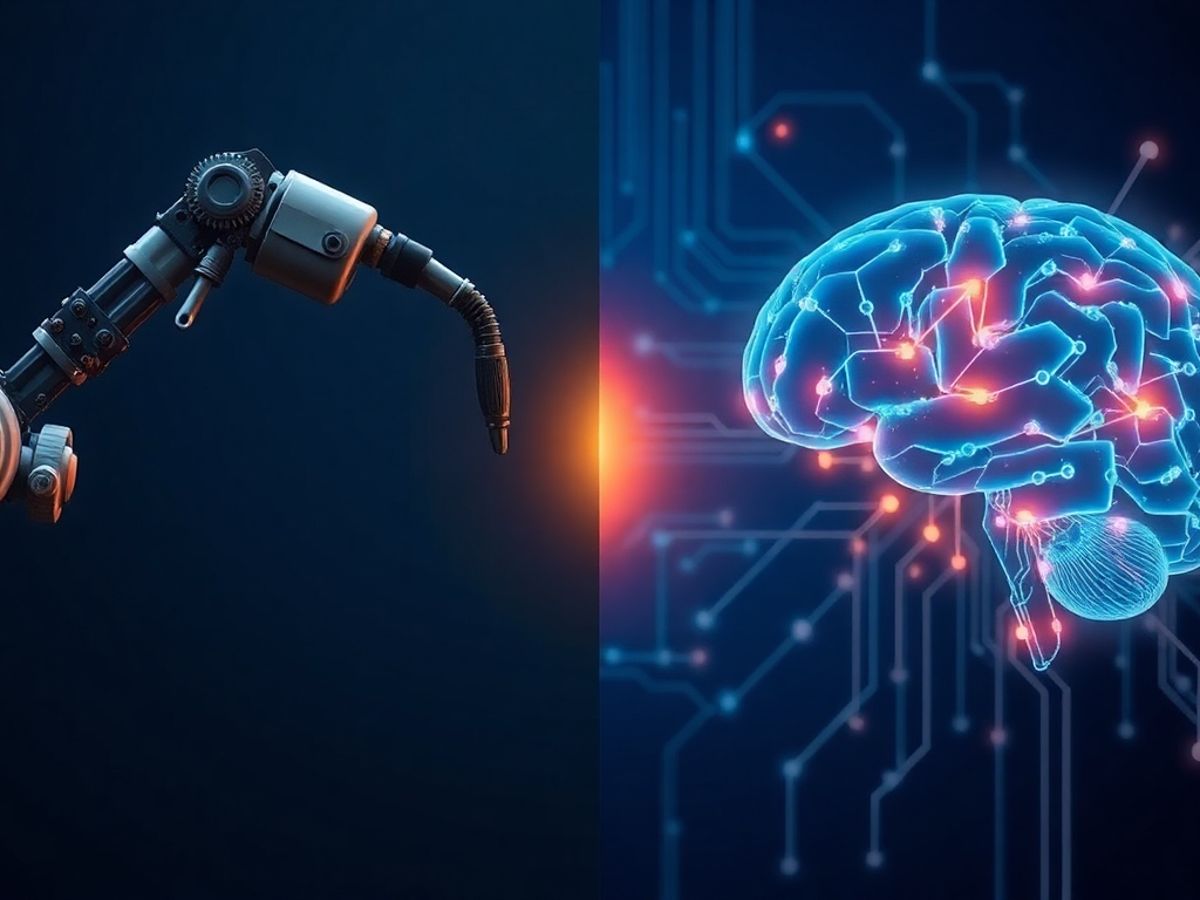
When deciding between RPA and AI agents, it's important to first understand your business's unique needs and goals. Are your tasks repetitive and rule-based, or do they require intelligent decision-making? RPA is best suited for tasks that are structured and repetitive, like data entry or invoice processing. On the other hand, AI agents shine in environments that demand adaptability and intelligent decision-making, such as customer service or complex data analysis.
When to Opt for RPA Solutions
RPA is ideal for automating tasks that follow a predictable pattern. If your business processes involve high volumes of repetitive tasks, RPA can be a cost-effective solution. Here are some scenarios where RPA might be the right fit:
- Automating back-office operations like payroll and order processing.
- Streamlining data entry tasks across multiple systems.
- Ensuring compliance by maintaining accurate records and audit trails.
Ideal Scenarios for Implementing AI Agents
AI agents are powerful tools for businesses that require flexibility and learning capabilities. They are particularly useful in scenarios where decision-making and adaptability are key. Consider AI agents if your business involves:
- Providing personalized customer support and interactions.
- Automating workflows that need to adapt to changing conditions.
- Analyzing large datasets to generate actionable insights.
Embracing both RPA and AI agents might offer the best of both worlds, allowing businesses to automate efficiently while also adapting to new challenges. In many cases, integrating these technologies can lead to a more dynamic and responsive business environment.
Integrating RPA and AI Agents for Comprehensive Automation |
Combining Strengths for Optimal Results
When it comes to enhancing automation solutions, the combination of RPA and AI agents is like pairing peanut butter with jelly. Each has its own flavor, but together, they create something truly special. RPA excels at handling repetitive, rule-based tasks—think of it like a diligent office assistant who never tires. On the other hand, AI agents bring intelligence and adaptability to the table, capable of making decisions and learning from new data.
Here's how they work together:
- Task Delegation: RPA takes care of mundane, repetitive tasks, freeing up human resources for more complex activities.
- Intelligent Decision Making: AI agents analyze data and make decisions, providing insights that RPA alone cannot.
- Seamless Integration: Together, they streamline processes, reduce errors, and improve efficiency.
Case Studies of Successful Integration
Consider a financial institution that uses RPA to automate the initial stages of fraud detection. The RPA handles data collection and standard procedures, while AI agents analyze patterns and flag suspicious activities. This results in faster response times and increased accuracy.
Another example is in customer service, where RPA manages scheduling and basic queries, while AI agents provide personalized responses based on customer history and preferences.
Future Trends in Intelligent Process Automation
Looking ahead, the potential to enhance efficiency with these technologies is immense. By 2025, we expect to see more businesses adopting this hybrid approach, leveraging AI for strategic decision-making and RPA for operational efficiency.
"The future of automation isn't about choosing between RPA and AI agents; it's about harnessing their combined power to create smarter, more efficient processes."
In summary, integrating RPA and AI agents offers a robust solution for businesses looking to optimize their operations. As technology evolves, this partnership will likely become a cornerstone of intelligent automation strategies.
The Future of Automation: RPA vs AI Agents in 2025 |
Predicted Developments in RPA Technology
By 2025, RPA is expected to become even more efficient, handling a wider range of tasks with increased accuracy. RPA will continue to excel in automating structured, rule-based processes, making it an indispensable tool for businesses aiming to streamline operations. Innovations may include enhanced integration capabilities with other technologies and more user-friendly interfaces, allowing businesses to deploy RPA solutions more easily.
Advancements in AI Agent Capabilities
AI agents are set to revolutionize business operations by 2025. These agents will likely possess even greater cognitive abilities, enabling them to understand and interpret complex data, make decisions, and learn from past experiences. They will be able to operate autonomously, adapting to new environments and challenges. Tasks such as providing personalized customer support and automating complex workflows will become more seamless, thanks to these advancements.
Impact on Global Business Practices
The combined use of RPA and AI agents is expected to transform global business practices. Companies will benefit from the strengths of both technologies: RPA's precision in handling repetitive tasks and AI's ability to manage complex decision-making processes. This synergy will lead to increased productivity, cost savings, and enhanced customer experiences.
As businesses embrace these technologies, they will need to carefully consider their unique needs and the potential for integration to achieve optimal results. The future of automation is not just about choosing between RPA and AI agents, but about finding the right balance between them.
Conclusion
In the end, both RPA and AI agents have their own special place in the world of automation. RPA is like that trusty old tool you use for the same job every day. It's reliable, gets the job done, and doesn't need much thinking. Perfect for those repetitive tasks that just need to be done right. On the flip side, AI agents are like the new kid on the block, ready to tackle more complex challenges. They learn, adapt, and make decisions on the fly, making them ideal for situations where things aren't so black and white. As we move into 2025, businesses will likely find themselves using a mix of both, picking the right tool for the right job. It's not about choosing one over the other, but about finding the balance that works best for your needs.
- - -
This article was written with the assistance of AI to gather information from multiple reputable sources. The content has been reviewed and edited by our editorial team to ensure accuracy and coherence. The views expressed are those of the author and do not necessarily reflect the views of Dex223. This article is for informational purposes only and does not constitute financial advice. Investing involves risk, and you should consult a qualified financial advisor before making any investment decisions.