

Key Takeaways
- Decentralized social media platforms are giving users more control over their data and content.
- Blockchain technology is set to change how we trust and interact online, making things more transparent.
- New ways to earn money from content are emerging, thanks to blockchain's influence on social media.
- There are challenges like scalability and regulation that need to be tackled for widespread adoption.
- The future of social media in a blockchain world looks promising, with more user-driven ecosystems.
The Rise of Decentralized Social Media Platforms |
Empowering Users with Data Ownership
Decentralized social media platforms are changing the game by giving users more control over their data. Unlike traditional platforms, decentralized networks like Mastodon and Mirror allow users to own their content and decide how it's shared. This shift is a response to growing concerns about privacy and data exploitation by large corporations. With decentralized platforms, users can finally take charge of their online presence.
Challenges in User Adoption and Moderation
While the benefits are clear, transitioning to decentralized platforms isn't without its hurdles. Many users find the onboarding process complex, especially when dealing with Web3 wallets or federated systems. Additionally, moderation on decentralized platforms is community-driven, which can lead to inconsistent enforcement of rules and difficulty in managing misinformation. Overcoming these challenges requires innovative solutions and user-friendly interfaces.
The Role of Blockchain in Privacy and Security
Blockchain technology plays a crucial role in enhancing privacy and security on decentralized platforms. By eliminating central points of control, blockchain ensures that user data is secure and transparent. This technology also supports decentralized identity management, giving users unparalleled control over their personal information. As Web3 continues to evolve, the integration of blockchain will be key to creating a more secure and private social media experience.
Blockchain's Impact on Online Interactions |
Enhancing Transparency and Trust
Blockchain technology is like a digital ledger on steroids. It records every transaction in a way that's nearly impossible to alter. This means users can trust that what they see is what actually happened. Imagine a world where you no longer have to wonder if the reviews you're reading are real or if the seller is trustworthy. With blockchain, transparency is baked into the system. This builds a level of trust that traditional platforms struggle to achieve.
Revolutionizing Content Monetization
For creators, blockchain opens up new ways to earn money. Instead of relying on ads, they can use smart contracts to sell their content directly to fans. This cuts out the middleman, so creators get more of the money. Plus, fans can even own a piece of their favorite creator's work through NFTs. It's a win-win situation, making content monetization more fair and direct.
Facilitating Seamless Cross-Platform Interactions
In the future, blockchain could make it easier to move your data from one platform to another without any hassle. Think of it as having a universal passport for the internet. Your digital identity, achievements, and even purchases could travel with you, no matter where you go online. This not only saves time but also enhances your online experience by keeping everything connected and consistent.
Transforming Digital Economies with Blockchain

Tokenization of Real-World Assets
Imagine owning a piece of a famous painting or a slice of prime real estate without the need for millions in the bank. Tokenization makes this possible by turning real-world assets into digital tokens on a blockchain. This means you can buy, sell, or trade fractions of these assets just like stocks. It's not just about art or property, either; everything from precious metals to collectibles is getting tokenized. This opens up new investment opportunities for people who never had access before.
- Real estate: Buy shares in properties worldwide.
- Art: Invest in masterpieces without visiting an auction house.
- Commodities: Own fractions of gold or silver bars.
Decentralized Finance and Social Media
Decentralized Finance (DeFi) is shaking up the world of finance by removing the middlemen. On social media, this means creators can get paid directly by their fans without platforms taking a huge cut. Imagine a world where every like or share could translate into real money for content creators. DeFi protocols enable this by allowing peer-to-peer transactions, making it easier and more profitable for creators to monetize their work.
New Monetization Models for Creators
Social media is no longer just about likes and followers. With blockchain, creators have new ways to earn money. Non-Fungible Tokens (NFTs) let artists sell unique digital artworks or experiences, while smart contracts ensure they get paid automatically when their work is used or resold. This is a game-changer for musicians, writers, and artists who can now reach global audiences without traditional gatekeepers.
Blockchain is not just a tech trend; it's a shift towards more open, inclusive digital economies where everyone can participate and benefit. As we move forward, these technologies promise to make the digital world more equitable and accessible for all.
Challenges and Opportunities in Blockchain and Social Media |
Scalability and Interoperability Issues
Blockchain technology is great, but when it comes to handling loads of transactions at once, it can be a bit of a headache. As more people jump on the blockchain bandwagon, the network can get clogged, slowing everything down. Interoperability is another tricky part. Different blockchain systems don't always play nice together, making it hard to share data across platforms. These hurdles need some serious attention if blockchain is going to be the backbone of social media.
Navigating Regulatory Landscapes
Regulations are a big deal in the blockchain world. Different countries have their own rules about how blockchain can be used, especially when it comes to privacy and data security. This patchwork of laws can be confusing for companies trying to operate globally. It's like trying to solve a puzzle where the pieces keep changing shape. Companies need to stay on top of these changes to avoid getting into hot water.
Innovative Solutions for User Engagement
Blockchain offers some cool new ways to get users involved. For example, with tokenization, users can earn tokens for their participation, which they can then use within the platform. This not only keeps users engaged but also gives them a stake in the platform's success. Here are a few ways blockchain is shaking things up:
- Token Rewards: Users earn tokens for activities like posting and sharing content.
- Decentralized Governance: Users have a say in how the platform is run through voting mechanisms.
- Content Ownership: Creators can directly own and monetize their content, thanks to blockchain's transparency.
The future of social media is looking more decentralized, with blockchain paving the way for more user-centric platforms. As these technologies evolve, they will likely lead to more personalized and engaging online experiences.
The Future of Social Media in a Blockchain-Driven World |
Predictions for 2025 and Beyond
By 2025, social media platforms are expected to undergo a significant transformation, driven by blockchain technology. Decentralized social media platforms are emerging as a powerful alternative to traditional networks, offering users greater control over their data and content. As public trust in centralized platforms continues to erode due to privacy concerns and algorithmic biases, decentralized platforms will likely see a surge in adoption. These platforms operate on a federated model, where smaller, independently run instances form part of a larger network, reducing concerns about censorship and data exploitation.
- User Control: Users will have direct ownership of their data and content, eliminating centralized control.
- Privacy and Security: Enhanced privacy measures will protect user data from large corporations.
- Community Governance: Communities will set their own rules, leading to more democratic online environments.
Integrating AI and Blockchain for Enhanced Experiences
The integration of AI with blockchain technology is set to redefine how we interact online. AI can enhance user experiences by providing personalized content while blockchain ensures that user data remains secure and private. This combination allows for the creation of more engaging and interactive platforms, where user privacy is a priority.
- Personalized Content: AI algorithms can tailor content to individual preferences without compromising privacy.
- Secure Transactions: Blockchain ensures that all transactions, including content sharing and monetization, are secure.
- Enhanced Interactions: AI-driven chatbots and virtual assistants can offer real-time support and engagement.
Building Community-Driven Ecosystems
Decentralized platforms are not just about technology; they're about building communities. These platforms empower users to create and manage their own spaces, leading to vibrant, community-driven ecosystems. Users can participate in governance, contribute to platform development, and share in the platform's success.
As we move towards a blockchain-driven world, social media will become more than just a place to connect—it will be a space where users have true ownership and control, shaping the digital landscape in ways we can only begin to imagine.
With the rise of decentralized social media platforms, users are finding new ways to engage and interact online, free from the constraints of traditional networks. This shift represents a move towards a more open, transparent, and user-centric digital future.
User Empowerment Through Blockchain Technology
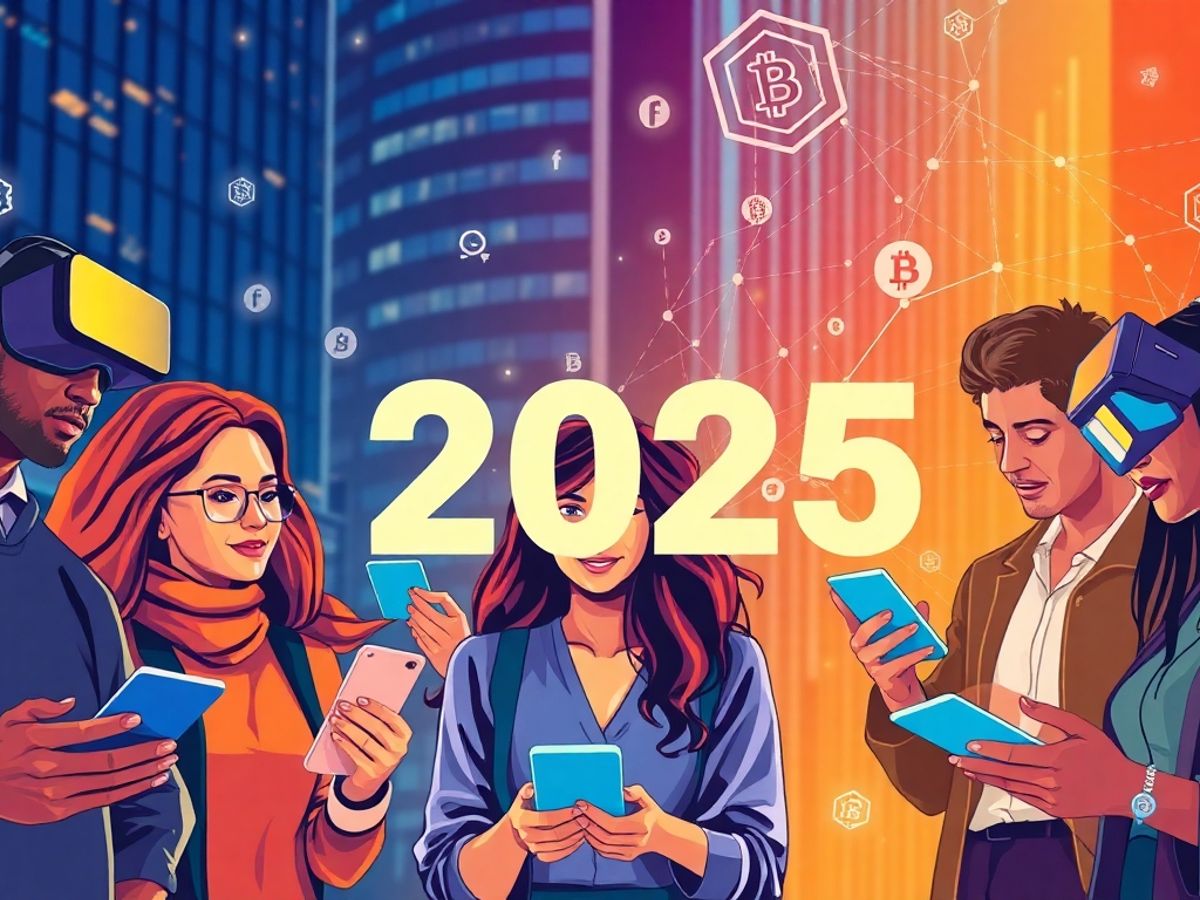
Decentralized Governance Models
In the world of social media, decentralized governance models are emerging as a game-changer. These models allow users to have a say in the rules and policies that govern their platforms. Instead of a central authority making all the decisions, users can vote on changes, ensuring that the platform evolves in a way that reflects the community's desires. This democratic approach can prevent the misuse of power and create a more balanced online environment.
- Key Features of Decentralized Governance:
- User voting on policy changes
- Transparent decision-making processes
- Community-driven platform development
Direct Ownership and Control of Content
Blockchain technology is revolutionizing how we think about content ownership. Users can now have direct control over their digital creations, from posts to photos and videos. This shift is significant because it means users are no longer at the mercy of platform algorithms or policies that might change overnight. With blockchain, each piece of content can be securely stored and verified, ensuring that creators maintain their rights and can monetize their work without intermediaries.
"Blockchain gives users direct control over their content, eliminating reliance on centralized platforms."
Enhancing User Privacy and Data Security
In today's digital age, privacy is a major concern. Blockchain technology offers a solution by providing enhanced security measures that protect user data. Through decentralized identity management systems, users can manage their digital identities without relying on central authorities. This not only bolsters privacy but also reduces the risk of identity theft and fraud. Innovations such as zero-knowledge proofs and privacy-preserving protocols are paving the way for a safer online experience.
- Benefits of Blockchain for Privacy:
- Secure data encryption
- Reduced risk of identity theft
- User control over personal information
The Evolution of Social Media Business Models |
From Advertising to Direct Monetization
Social media has long relied on advertising dollars to keep the lights on, but things are changing. Platforms are now exploring direct monetization methods, letting creators earn straight from their fans. This shift is partly because users want more control over their interactions, and they're willing to pay for it. Here are some ways it's happening:
- Subscription Models: Creators offer exclusive content to paying subscribers. It's like having a backstage pass.
- Tipping and Donations: Users can tip their favorite creators for content they love, a bit like leaving a tip at a restaurant.
- Pay-Per-View Content: Special content that users can pay to access, similar to renting a movie.
The Role of NFTs in Social Media
NFTs, or non-fungible tokens, are making a splash in the social media world. They let creators sell unique digital items, like art or music, directly to fans. This isn't just a fad; it's a new way for artists to connect with their audience. Some benefits of NFTs include:
- Ownership: Fans can truly own a piece of their favorite creator's work.
- Royalties: Creators can earn money every time their NFT is resold.
- Engagement: NFTs offer a way for creators to engage with fans in a more meaningful way.
Creating Sustainable Revenue Streams
Finding a balance between making money and keeping users happy is key. Social media platforms are experimenting with various revenue streams to achieve this:
- E-commerce Integration: Users can buy products directly through social media apps.
- Partnerships and Collaborations: Brands team up with creators for sponsored content.
- Virtual Events: Hosting online events where users pay for access.
In 2025, social media isn't just about connecting; it's about creating entire ecosystems where creators and brands can thrive. As platforms evolve, they are becoming comprehensive ecosystems, enabling creators and brands to handle all aspects of content creation, engagement, and monetization seamlessly. Learn more about this transformation.
Conclusion
As we look ahead to 2025, the fusion of blockchain and social media is set to reshape how we connect online. This isn't just about new tech; it's about giving people more control over their digital lives. With decentralized platforms, users can finally own their data and decide how it's used. Sure, there are hurdles like getting folks on board and figuring out how to moderate content, but the potential benefits are huge. Imagine a world where your online interactions are private, secure, and free from the whims of big corporations. That's the promise of blockchain in social media. It's a shift towards a more open and user-driven internet, and it's just getting started.
- - -
This article was written with the assistance of AI to gather information from multiple reputable sources. The content has been reviewed and edited by our editorial team to ensure accuracy and coherence. The views expressed are those of the author and do not necessarily reflect the views of Dex223. This article is for informational purposes only and does not constitute financial advice. Investing involves risk, and you should consult a qualified financial advisor before making any investment decisions.