

Key Takeaways
- Blockchain's decentralized setup can cut down on single points of failure in cyber security.
- The transparency and unchangeable nature of blockchain boost trust and data integrity.
- Smart contracts can automatically manage security tasks, reducing the chance of human mistakes.
- Blockchain's facing issues like scalability and the possible threat from quantum computing.
- Future trends point to more decentralized security and new cryptographic methods for a post-quantum world.
Understanding the Core Principles of Blockchain in Cyber Security:
Decentralization and Its Impact on Security
Blockchain's decentralization is like having a digital democracy. Instead of one central authority, many participants are involved. This setup makes it tough for hackers to mess things up because there's no single point to attack. Decentralization spreads control, making the system more resilient. This is a major shift from traditional systems that rely on a central hub.
Transparency and Data Integrity
Transparency in blockchain means everyone can see what's happening. This openness helps keep data honest because any changes are visible to all. It's like having a public ledger that anyone can check. Transparency ensures that data remains trustworthy and tamper-proof, which is crucial for maintaining integrity.
Immutability as a Security Measure
Immutability means once data is added to the blockchain, it can't be changed. This feature is like writing in permanent ink. Immutability protects data from tampering and fraud, ensuring that records are reliable and verifiable. It's a key security measure that helps maintain trust in the system.
Blockchain technology, with its principles of decentralization, transparency, and immutability, offers a robust framework for enhancing cyber security. These features work together to create a system that's not only secure but also trustworthy, paving the way for a more secure digital future.
How Blockchain Revolutionizes Cyber Security Practices
Enhancing Authentication Processes
Blockchain is changing the game for authentication by using a distributed ledger system. Instead of relying on a central authority, multiple parties verify transactions. This setup makes it harder for identity theft and impersonation to happen. By cutting out the middleman, blockchain adds a layer of security that traditional systems often lack.
Facilitating Secure Threat Intelligence Sharing
With blockchain, organizations can share threat intelligence securely. Imagine a world where companies can exchange information about cyber threats without worrying about data being tampered with. This is possible because blockchain uses a distributed ledger that keeps data safe from unauthorized access.
- Enables secure information sharing.
- Prevents tampering and unauthorized access.
- Builds a collective defense against cyber threats.
Improving Identity Management
Blockchain gives users more control over their identity data. This reduces the reliance on centralized systems, which are often targets for hackers. By spreading data across a network, blockchain makes it harder for identity theft to occur. Users can manage their own information, minimizing risks associated with centralized data storage.
Blockchain is poised to significantly influence cybersecurity by protecting digital assets and improving privacy. The technology's decentralized nature ensures that data is not only secure but also more private, offering a promising future for digital security.
Challenges and Risks at the Intersection of Cyber Security and Blockchain
Scalability and Performance Issues
Blockchain is often hailed for its security and transparency, but it's not without its flaws. One of the big hurdles is scalability. As more users and transactions hit the network, it needs more computing power to keep up. This extra load can slow things down, making it tough for blockchain to handle real-time or high-volume tasks efficiently. Solving these issues is key if blockchain is to be widely used in cyber security.
Quantum Computing Threats
Quantum computing is on the horizon, and while it's exciting, it's also a bit scary for blockchain. These powerful computers could potentially crack the cryptographic codes that keep blockchain secure. If this happens, the whole system could be at risk. To combat this, the industry needs to work on creating quantum-resistant algorithms to protect against this future threat.
Ensuring Compliance with Security Standards
Maintaining compliance in a decentralized system like blockchain is tricky. There's no central authority to enforce rules, which can lead to inconsistencies in security measures across different nodes. To address this, it's important to develop a strong compliance framework. This could include:
- Setting clear security protocols for everyone involved.
- Regularly updating these standards to tackle new threats.
- Educating all stakeholders on the importance of following these protocols.
In a world where cyber-enabled fraud is a growing concern, understanding these challenges is crucial. As blockchain technology continues to evolve, so too must our strategies for managing its risks. Recognizing these hurdles is the first step towards building a more secure digital future.
The Role of Smart Contracts in Cyber Security
Automating Security Protocols
Smart contracts are like digital agreements that automatically spring into action when certain conditions are met. In the world of cybersecurity, this means they can automate security protocols, which is a big deal. Why? Because it cuts down on human error and makes sure security measures are followed consistently. Imagine a system that just runs itself without you having to constantly check if everything's up to snuff.
- Automates security processes
- Cuts down on human mistakes
- Keeps security protocols steady
Reducing Human Error
When humans are involved, mistakes happen. It's just a fact. But with smart contracts, many of the security tasks that used to rely on people can now be handled automatically. This not only makes things more efficient but also reduces the chance of errors that could lead to security breaches. Less manual input means fewer slip-ups.
Ensuring Consistent Security Measures
Smart contracts ensure that security measures are applied consistently across the board. They don't get tired, bored, or distracted. They just do their job, day in and day out. This consistency is key in maintaining a secure environment, especially as systems become more complex and harder to manage manually.
Smart contracts are changing the game in cybersecurity by taking over repetitive tasks and ensuring that security protocols are always followed. This not only makes systems more secure but also frees up human resources to focus on more strategic issues.
Future Trends in Blockchain and Cyber Security
Advancements in Decentralized Security
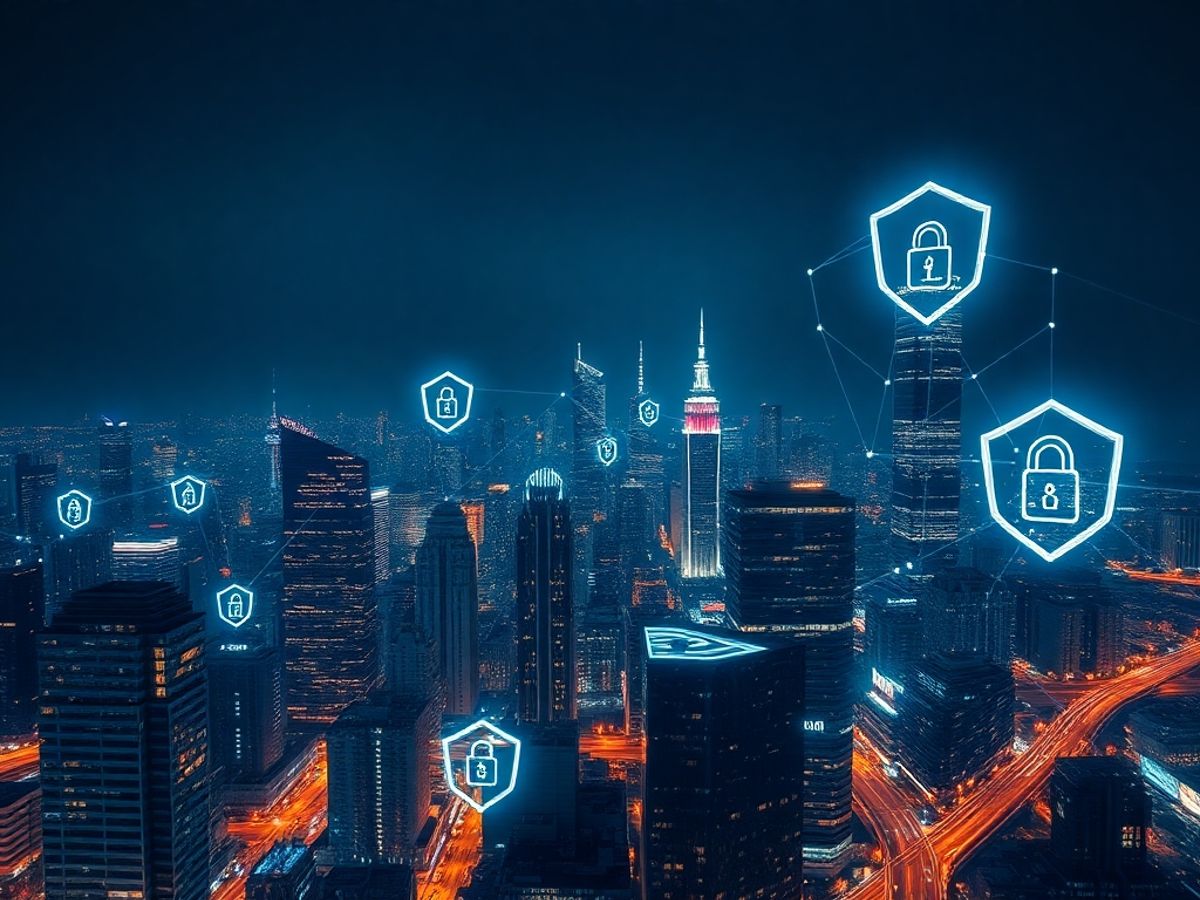
Blockchain's decentralized nature is set to tackle some of the biggest security challenges we face today. By spreading data across multiple nodes, it reduces the risk of single points of failure that are common in centralized systems. This approach not only enhances security but also boosts data integrity and trust. As more industries, from healthcare to finance, adopt blockchain, we're likely to see a surge in innovative applications that address specific security challenges.
Post-Quantum Cryptography Developments
Quantum computing is on the horizon, and it's a game-changer for cryptographic security. Current cryptographic codes could be easily cracked by quantum computers, posing a significant threat to blockchain networks. But post-quantum cryptography offers a promising solution. These new methods aim to protect data against quantum threats, ensuring that blockchain systems remain secure as technology evolves.
Emerging Trends in Blockchain Adoption
Blockchain is no longer just the backbone of cryptocurrencies. Its adoption is expanding into various industries such as healthcare, finance, and supply chain management. This technology is being explored for its potential to enhance security and efficiency. As more sectors recognize the benefits of blockchain, we can expect to see innovative applications that address specific security challenges, fostering broader acceptance and integration of this technology.
The future of blockchain in cybersecurity is bright, with advancements in technology promising to address current limitations and unlock new possibilities. The interplay between blockchain and cybersecurity will undoubtedly shape the digital landscape for years to come.
In conclusion, the ongoing development of future token standards aims to create a more secure and innovative blockchain ecosystem. These advancements are essential for staying ahead of emerging security challenges while maintaining user-friendliness and clear documentation to encourage adoption.
Addressing Cyber Security Vulnerabilities in Blockchain Systems
Identifying and Mitigating Blockchain Vulnerabilities
Blockchain technology is often hailed as a game-changer, but it's not without its vulnerabilities. One major concern is the risk of a '51% attack', where a single entity could potentially control the majority of the network's mining power, allowing them to manipulate transactions. Another issue is the pseudo-anonymity of transactions, which, despite being a privacy feature, can sometimes be traced back to individuals. To tackle these vulnerabilities, it's crucial to:
- Conduct regular security audits to catch vulnerabilities early.
- Utilize multi-signature wallets to boost transaction security.
- Implement advanced cryptographic techniques to protect data.
Developing Robust Countermeasures
To shield blockchain systems from emerging threats, creating strong countermeasures is a must. This involves anticipating potential risks and building systems that can withstand attacks. Some key strategies include:
- Using artificial intelligence to predict and mitigate threats.
- Designing systems with built-in redundancy to avoid data loss.
- Implementing decentralized identity solutions to enhance privacy and security.
Building a resilient blockchain system isn't just about technology; it's about foresight and preparation. The goal is to stay one step ahead of potential threats by continuously evolving our defenses.
Ensuring Compliance with Security Standards
The decentralized nature of blockchain presents unique challenges for compliance. Without a central authority, ensuring that all nodes follow security standards can be tricky. Creating a solid compliance framework is essential for maintaining system integrity. This means:
- Establishing clear security protocols for all network participants.
- Regularly updating compliance standards to reflect the latest threats.
- Educating stakeholders about the importance of adhering to these standards.
By addressing these cybersecurity challenges, blockchain technology can continue to evolve and provide a secure foundation for digital trust.
The Impact of Blockchain on Digital Trust
Building a Transparent and Auditable System
Blockchain technology is all about transparency and accountability. Imagine a public ledger where every transaction is recorded and visible to all participants. This openness builds trust as it allows anyone to verify the data, ensuring that nothing is hidden or tampered with. Blockchain creates a transparent and auditable system that reduces the reliance on centralized controls.
Enhancing Data Integrity and Trust
Data integrity is crucial in today's digital age. With blockchain, once data is recorded, it can't be altered or deleted. This immutability ensures that the information remains consistent and reliable over time. By providing a tamper-proof record, blockchain enhances trust in the data, making it a trustworthy source for businesses and individuals alike.
Reducing Reliance on Centralized Controls
Traditional systems often rely on a central authority to manage and control data, which can be a single point of failure. Blockchain, however, operates on a decentralized network, distributing control across multiple nodes. This decentralization reduces the risk of data breaches and cyber threats, as there's no single point to attack. It's like having a digital democracy where power is shared, not concentrated.
Blockchain's decentralized nature not only enhances security but also fosters a more resilient digital environment. As we move towards a more connected world, the trust built through blockchain's transparency and integrity will be essential in ensuring a secure and reliable digital future.
In 2025, as DeFi apps evolve towards more user-friendly platforms, the role of blockchain in enhancing digital trust becomes even more significant. With features like smart contracts and cross-chain interoperability, blockchain continues to push the boundaries of what's possible in the digital landscape.
Conclusion
So, here we are at the end of our journey through the world of cyber security and blockchain. It's been quite a ride, hasn't it? We've seen how blockchain isn't just about Bitcoin or digital cash—it's a whole new way of thinking about keeping our data safe. By spreading information across many points and using some pretty clever math, blockchain offers a fresh take on security. But let's not kid ourselves; it's not all sunshine and rainbows. There are still some big hurdles to jump over, like making sure it can handle lots of users at once and figuring out how to deal with the future threat of quantum computers. As we look ahead, the trick will be to keep pushing forward with these new ideas while also keeping an eye on the risks. The future of digital security is looking bright, but we'll need to stay sharp to make the most of it.
- - -
This article was written with the assistance of AI to gather information from multiple reputable sources. The content has been reviewed and edited by our editorial team to ensure accuracy and coherence. The views expressed are those of the author and do not necessarily reflect the views of Dex223. This article is for informational purposes only and does not constitute financial advice. Investing involves risk, and you should consult a qualified financial advisor before making any investment decisions. Original reporting sources are credited whenever appropriate and as required.