

Key Takeaways
- AI is playing a dual role in cybersecurity, being used for both defense and attacks.
- Quantum computing is emerging as a new frontier for potential cyber threats.
- Remote work continues to expand the attack surface for businesses worldwide.
- Zero-trust architectures are becoming a must-have for robust cybersecurity.
- Collaboration between nations and industries is critical for tackling global cyber threats.
The Evolution of Cyber Threats in 2025
AI-Driven Malware and Its Implications
AI is no longer just a tool for defenders—attackers have taken it up as well. AI-driven malware can now adapt and learn from its targets, making traditional defenses outdated. These attacks are not only faster but also more precise, targeting specific vulnerabilities in systems. Organizations need to focus on proactive threat detection and response strategies to stay ahead.
The Rise of Quantum Computing Threats
Quantum computing is a game-changer, but not always in a good way. It has the potential to break many of the encryption methods we rely on today. This means that sensitive data, even if encrypted, could be at risk. Businesses must start exploring post-quantum cryptography to prepare for this looming threat.
Fileless Malware and Multi-Stage Campaigns
Fileless malware is becoming more common, exploiting legitimate tools and processes to avoid detection. These attacks often unfold in multiple stages, making them harder to identify and stop. To combat this, organizations should:
- Invest in advanced endpoint detection tools.
- Train staff to recognize unusual system behavior.
- Regularly update and patch software to close security gaps.
Cyber threats in 2025 demand a shift from reactive measures to proactive, intelligence-driven defense strategies. The stakes have never been higher.
Key Cybersecurity Trends Shaping Global Businesses
The Role of Remote Work in Expanding Attack Surfaces
Remote work isn’t going anywhere, and that’s both good and bad news for cybersecurity. While flexible work arrangements offer convenience, they’ve also widened the attack surface for cybercriminals. Employees working from home or public networks often lack the same level of protection as corporate environments. This has led to a rise in phishing attacks, endpoint vulnerabilities, and data breaches. Organizations must prioritize securing remote endpoints and educating employees about safe online practices.
Key considerations include:
- Implementing strong endpoint protection solutions.
- Encouraging the use of virtual private networks (VPNs).
- Regularly updating and patching remote devices.
Companies that ignore these risks are essentially leaving the door wide open for attackers to walk in.
Regulatory Pressures and Compliance Challenges
Governments and regulatory bodies are tightening the screws on data protection. From GDPR to HIPAA, companies are facing increasingly stringent rules. Non-compliance isn’t just a slap on the wrist anymore—it can mean massive fines and even legal action. Staying ahead of these regulations requires constant vigilance and adaptation.
A quick checklist for compliance:
- Conduct regular audits to ensure data handling aligns with regulations.
- Train employees on compliance protocols.
- Use automated tools to monitor and report compliance metrics.
The Growing Importance of Zero-Trust Architectures
Zero-trust is no longer just a buzzword—it’s becoming a necessity. With threats growing more sophisticated, the old "trust but verify" model doesn’t cut it anymore. Zero-trust assumes that every user, device, and application is a potential threat until verified.
Key principles of zero-trust include:
- Verifying identities before granting access.
- Limiting user permissions to what’s absolutely necessary.
- Continuously monitoring for unusual activity.
By adopting a zero-trust model, businesses can significantly reduce the risk of insider threats and unauthorized access. It’s a proactive way to stay one step ahead of attackers.
Industry-Specific Cybersecurity Challenges
Critical Infrastructure and Nation-State Threats
Critical infrastructure sectors, like energy and transportation, are prime targets for nation-state actors. These attackers often aim to disrupt essential services or gain political leverage. A single breach in these sectors can cascade into widespread societal and economic consequences. To counteract this, organizations are adopting advanced monitoring systems, network segmentation, and partnerships with government agencies for intelligence sharing. However, legacy systems and limited budgets remain significant hurdles.
Financial Sector Vulnerabilities
The financial industry is a goldmine for cybercriminals due to its vast amounts of sensitive data and financial transactions. Common threats include ransomware, phishing, and fraudulent transactions. To combat these, financial institutions are implementing:
- Multi-Factor Authentication (MFA) for secure access.
- AI-driven anomaly detection for real-time fraud prevention.
- Micro-segmentation to isolate critical systems.
Regulatory frameworks like PCI DSS also push these organizations to maintain rigorous security standards, but compliance can be resource-intensive.
Healthcare Data Breaches and Their Impact
Healthcare organizations manage critical patient data, making them attractive targets for ransomware and other cyberattacks. The average cost of a breach in this sector has soared to nearly $10 million, reflecting the high stakes involved. Key strategies to mitigate risks include:
- Endpoint encryption to secure devices.
- Zero Trust architectures to limit access.
- Regular staff training to recognize phishing attempts.
Healthcare providers face a unique challenge: balancing the need for robust security with the imperative to provide uninterrupted patient care.
For all industries, staying ahead of threats requires not just advanced tools but also a culture of cybersecurity awareness and preparedness.
The Role of Artificial Intelligence in Cyber Defense

Behavioral Analytics for Threat Detection
AI is transforming how organizations detect threats by analyzing patterns in user behavior. By examining massive datasets, AI can spot anomalies that might indicate a breach or malicious activity. This level of insight allows teams to act faster, often stopping attacks before they escalate.
Key benefits of AI-driven behavioral analytics include:
- Identifying unusual login patterns or access requests.
- Monitoring file transfers for unauthorized activity.
- Detecting insider threats by analyzing deviations in employee actions.
These capabilities not only enhance security but also reduce the burden on human analysts, enabling them to focus on complex threats.
AI-Driven Infiltration Tactics by Adversaries
While AI strengthens defense, attackers are also leveraging it to up their game. AI-powered tools are being used to craft sophisticated phishing emails, create deepfakes, and even develop adaptive malware that can bypass traditional security systems.
Here’s how attackers are using AI:
- Generating convincing fake emails or messages to trick employees.
- Creating deepfake videos or audio to impersonate high-level executives.
- Designing malware that evolves to evade detection systems.
Organizations must stay vigilant and adopt advanced tools to counter these tactics effectively.
Proactive AI Solutions for Cybersecurity
Proactive AI solutions are reshaping the way businesses approach cybersecurity. Instead of reacting to threats, these systems predict and prevent potential breaches. Tools like automated patch management and real-time anomaly detection are becoming indispensable.
| Feature | Benefit |
|---|---|
| Automated Patch Management | Quickly addresses vulnerabilities, reducing risk. |
| Real-Time Anomaly Detection | Identifies threats as they occur, minimizing damage. |
| Continuous Authentication | Enhances security by monitoring user actions consistently. |
AI isn’t just a tool for defense; it’s a necessity in today’s evolving threat landscape. Without it, organizations risk falling behind adversaries who are equally, if not more, resourceful.
By integrating AI into their strategies, businesses can build a robust defense system that adapts to emerging challenges. AI significantly improves threat detection and automates security measures, ensuring stronger protection against cyberattacks.
Strategies for Future-Proofing Against Cyber Threats
Building Resilience Through Collaboration
Cybersecurity is no longer a solo endeavor. Collaboration is key to staying ahead of evolving threats. Organizations should actively engage in threat intelligence sharing with industry peers, consortiums, and even competitors. This helps identify zero-day attacks faster and ensures a broader defense against widespread threats. Public-private partnerships can also bridge gaps in resources and knowledge. By pooling expertise, businesses and governments can create more robust early-warning systems and response strategies.
Key steps to foster collaboration:
- Join cybersecurity consortiums for shared threat intelligence.
- Establish partnerships with local and global regulatory bodies.
- Participate in regular industry-wide cybersecurity drills.
The Necessity of Continuous Process Refinement
The cyber threat landscape is constantly changing, and static defenses won’t cut it. Organizations need to adopt a mindset of continuous improvement. Regularly evaluate and update security protocols, ensuring they're aligned with the latest risks and technologies. This includes refining incident response (IR) playbooks through tabletop exercises and mock drills. These tests ensure your team is ready for real-world attacks, minimizing confusion during an actual breach.
Steps to refine your processes:
- Conduct rolling vulnerability assessments and penetration tests.
- Update IR playbooks based on emerging threats.
- Remove outdated systems that could become liabilities.
A proactive approach to cybersecurity isn’t just about tools—it’s about building a culture that prioritizes vigilance and adaptability.
Adopting Advanced Detection Tools
Advanced detection tools are no longer optional—they’re essential. AI-driven analytics can sift through massive amounts of data, flagging anomalies that human analysts might miss. Real-time encryption and micro-segmentation can limit an attacker’s ability to move laterally within your systems. Meanwhile, adopting quantum-safe cryptography ensures your data remains secure against future quantum computing threats.
Here’s a quick comparison of detection tools:
| Detection Tool | Benefit |
|---|---|
| AI-Driven Analytics | Speeds up anomaly detection and response. |
| Quantum-Safe Cryptography | Prepares for future quantum threats. |
| Micro-Segmentation | Limits attacker movement within networks. |
By embracing these technologies, organizations can outpace adversaries and safeguard their operations for the years ahead.
The Expanding Role of CISOs in Corporate Security
Navigating Regulatory Mandates
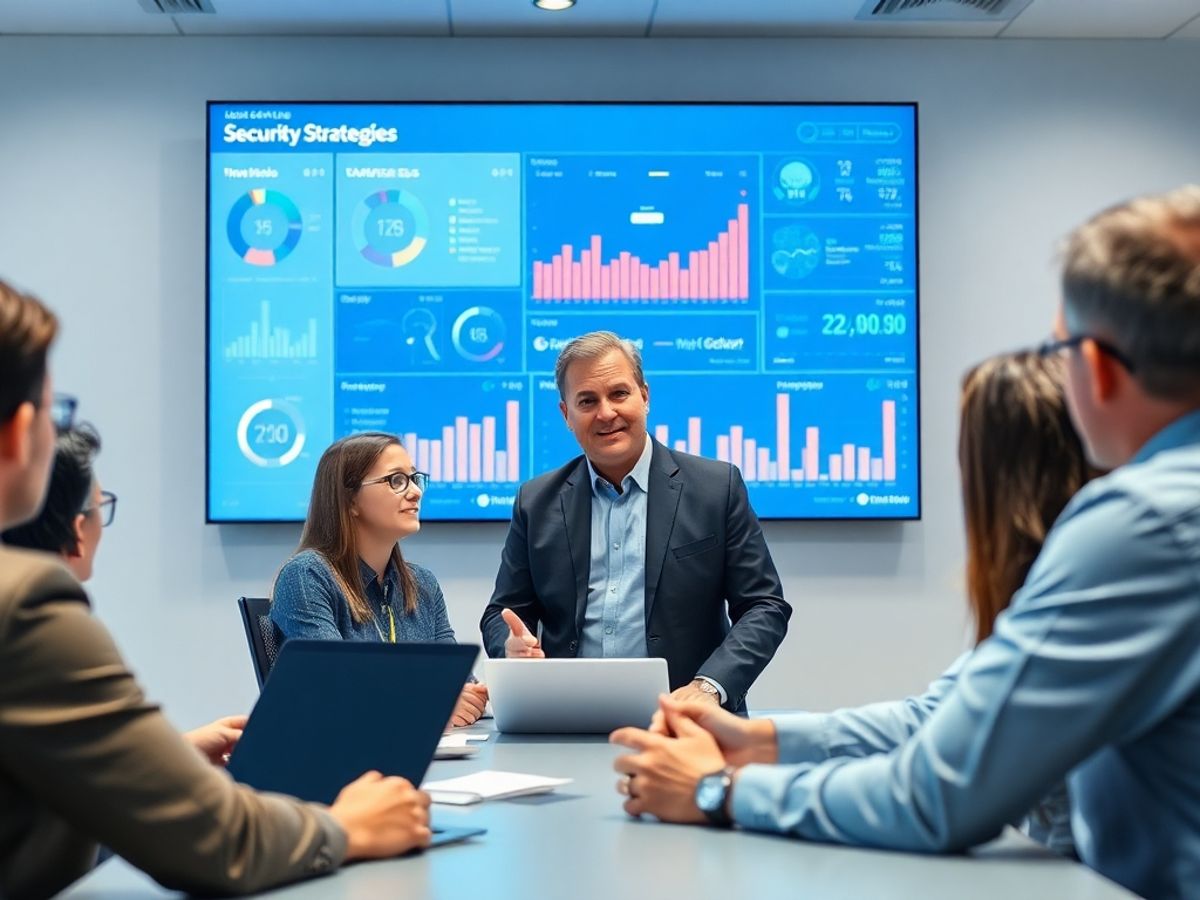
The role of a Chief Information Security Officer (CISO) has evolved dramatically in recent years, largely due to increasing regulatory requirements. New rules, such as those from the Securities and Exchange Commission (SEC), demand rapid disclosure of cyber incidents, leaving CISOs juggling compliance alongside their core security duties. This shift has turned the CISO role into a linchpin for corporate governance and risk management.
To manage these challenges, many organizations are:
- Hiring specialized roles within security teams, such as data privacy officers.
- Splitting the CISO role into operational and business-focused positions.
- Increasing collaboration with legal and regulatory teams to streamline compliance processes.
Balancing Operational and Strategic Responsibilities
CISOs today are not just technical experts; they are strategic leaders. They are expected to align cybersecurity priorities with broader business objectives, ensuring that security measures support innovation without stifling it. This dual focus requires:
- Regular engagement with the board and C-suite to communicate risks and strategies effectively.
- Building cross-functional teams that integrate IT, legal, and business units.
- Leveraging real-time threat intelligence to make informed decisions.
Enhancing Stakeholder Confidence Through Cybersecurity
As cyber risks grow, so does the scrutiny from stakeholders, including customers, investors, and regulators. CISOs play a pivotal role in maintaining trust by demonstrating robust security measures and transparency. Key actions include:
- Developing clear protocols for incident response and communication.
- Conducting regular audits and sharing results with stakeholders.
- Investing in technologies like behavioral analytics to proactively identify threats.
The modern CISO is more than a security leader—they are a bridge between technical teams and business strategy, ensuring that cybersecurity is a driver of trust and innovation.
Emerging Technologies and Their Security Implications
The Impact of 5G on Cybersecurity
5G is transforming how businesses and consumers interact with technology. With its lightning-fast speeds and low latency, 5G enables real-time applications like autonomous vehicles, IoT devices, and smart cities. However, this evolution introduces significant security risks. The decentralized nature of 5G networks creates vulnerabilities at the edge, where sensitive data is processed without traditional perimeter defenses. To mitigate these risks, companies must focus on:
- Regularly updating firmware and software on 5G infrastructure.
- Implementing robust identity verification for edge devices.
- Monitoring network traffic for anomalies, especially at the edge.
Blockchain as a Tool for Secure Transactions
Blockchain technology is often touted as a game-changer for secure transactions. Its decentralized and immutable ledger makes tampering nearly impossible. But like any technology, it’s not foolproof. Attackers may exploit vulnerabilities in smart contracts or target the endpoints where blockchain data is accessed. To harness blockchain securely:
- Conduct thorough audits of smart contracts.
- Use multi-signature wallets to enhance transaction security.
- Educate users on securing private keys and recognizing phishing attempts.
Blockchain isn’t a magic bullet, but when implemented correctly, it can significantly reduce fraud and enhance trust in digital ecosystems.
IoT Vulnerabilities in a Connected World
The Internet of Things (IoT) is revolutionizing industries, from healthcare to manufacturing. Yet, many IoT devices still rely on outdated firmware and lack robust encryption. A single compromised IoT device can serve as a gateway for attackers to infiltrate entire networks. Addressing these vulnerabilities requires:
- End-to-end encryption for all IoT communications.
- Regular firmware updates to patch known vulnerabilities.
- Network segmentation to isolate IoT devices from critical systems.
IoT security is no longer optional—it’s a necessity as the number of connected devices continues to skyrocket.
Global Collaboration in Tackling Cyber Threats
The Importance of Information Sharing
When it comes to cybersecurity, no single organization can battle threats alone. Sharing threat intelligence across industries and borders is crucial to identifying and mitigating risks swiftly. By exchanging indicators of compromise (IoCs), organizations can detect zero-day vulnerabilities faster and prevent widespread attacks. Some key benefits of information sharing include:
- Early detection of emerging threats, reducing response time.
- Building a collective pool of knowledge to outsmart cybercriminals.
- Strengthening trust and cooperation among global entities.
Cross-Border Cybersecurity Initiatives
Cyber threats don’t respect borders, making international collaboration a necessity. Governments and private sectors are increasingly working together to develop shared frameworks and protocols. For instance, cross-border initiatives focus on:
- Standardizing cybersecurity regulations to simplify compliance.
- Coordinating responses to large-scale incidents, such as ransomware outbreaks.
- Sharing resources for advanced threat detection and response tools.
Such efforts help create a unified front against adversaries, ensuring that no country or sector is left vulnerable.
Public-Private Partnerships in Cyber Defense
The synergy between public institutions and private companies has proven to be a game-changer in cybersecurity. These partnerships combine the regulatory power of governments with the innovation and agility of the private sector. Key areas of focus include:
- Developing robust early warning systems to detect and neutralize threats.
- Conducting joint exercises to test readiness and improve response capabilities.
- Investing in research and development for next-gen cybersecurity solutions.
Collaborative efforts across sectors and borders are not just a strategy—they are a necessity to combat the increasingly complex landscape of cyber threats.
Wrapping Up: Cybersecurity in 2025
As we look ahead to 2025, it’s clear that cybersecurity is more than just a technical challenge—it’s a constantly shifting puzzle that impacts businesses, governments, and individuals alike. The trends we’ve explored highlight the need for smarter tools, better training, and a proactive mindset to stay ahead of threats. While the landscape may seem daunting, staying informed and adaptable can make all the difference. Cybersecurity isn’t just about reacting to attacks; it’s about building a culture of awareness and resilience. The future is uncertain, but with the right strategies, we can navigate it together.
- - -
This article was written with the assistance of AI to gather information from multiple reputable sources. The content has been reviewed and edited by our editorial team to ensure accuracy and coherence. The views expressed are those of the author and do not necessarily reflect the views of Dex223. This article is for informational purposes only and does not constitute financial advice. Investing involves risk, and you should consult a qualified financial advisor before making any investment decisions.